Nardus Green EO
Botanical name: Nardostachys jatamansi
CAS No: 8022-22-8
Scent: Sweet, green, slightly spicy, with earthy and resinous undertones; less heavy than the classic Nardus
Appearance: Mobile liquid, color ranging from light green to olive brown
Country of origin: Nepal (Himalayan region)
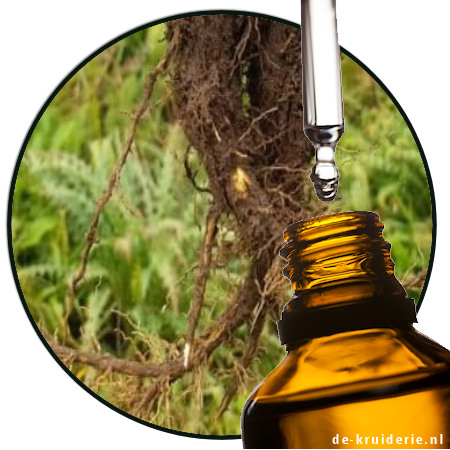
Extraction method: Steam distillation of fresh roots/rhizomes and greener plant parts
Dosage: in perfumery: usually 1-5% in a formula (as a base note/fixative)
Green Nardus is a light, greener variety of Nardus oil (also called blue nardus)
Green Nardus: spicy earth in fresh leaf light.
1st Class Quality Products
All fragrances are selected with care
Delivery from stock
We supply everything from our own stock, unless otherwise stated on the product itself.
Green Nardus (Green Spikenard) has a fresher, greener and lighter fragrance profile than the classic blue nardus oil.
It combines earthy and resinous undertones with a sweet-green, spicy freshness, making it feel less heavy and animalistic than the traditional variety.
Fragrance Profile of Green Spikenard
- Top notes:
- Fresh green, slightly spicy, sometimes a hint of minty or leafy
- Sweet-green accents reminiscent of violet leaves or young herbs
- Heart notes:
- Warm woody and spicy notes
- Subtly balsamic, with a softer musky nuance than classic spikenard
- Less “valerian-like” sharp, rather transparent and floral-green
- Base notes:
- Earthy, resinous, slightly animalic but much milder than ordinary spikenard
- Fixative properties: remains present for a long time and gives depth to a composition
- Sweet-woody with a soft, calming undertone
Usage:
- Perfume (base note, fixative, green nuance)
- Aromatherapy (calming, grounding, relaxing)
- Cosmetics and soaps (warm, spicy undertones)
Main Differences Nardus vs Green Nardus
Aspect Nardus Green Nardus Aroma Earthy, musky, resinous Sweeter, fresher, greener Color Darker, sometimes bluish Light Green Role in perfume Base note, heavy fixative Base note with fresher elevator Perception Traditional, ancient, meditative More modern, lighter, versatile 👉 In practice:
- Choose Nardus if you want the classic, deep, earthy scent used historically in sacred oils and heavy perfumes.
- Choose Green Nardus if you want a lighter, fresher variety that blends more easily into modern, floral or green compositions.
In summary:
Green Nardus is a light, fresh variant of spikenard oil with a sweet-green, spicy and woody fragrance profile.
It retains the earthy depth of spikenard but adds a transparent freshness, making it ideal for modern perfumes and aromatherapy where a less heavy base note is desired.Different parts of the harvest are also used;
Green Nardus from fresh rhizomes and aerial parts, Blue Nardus from older, dried rhizomes with more resinous contents and usually longer distillation.
Green Nardus Essential Oil
- Botanical source: Same plant(Nardostachys jatamansi), but different distillation fraction or chemotype
- Aroma profile: Sweeter, greener, lighter, less pungent than standard spikenard; more transparent and fresh
- Color: Light green shade
- Use: Preferred in perfumery when a fresher, less heavy note is desired; blends well with florals and green accords.
- Distillation: Steam distillation of the greener plant parts (root + leaf), shorter steam distillation, more volatile green molecules.
- Therapeutic notes: Similar calming and antioxidant properties, but more often chosen to balance fragrance.
Blue Nardus Essential Oil
- Botanical source: Nardostachys jatamansi rhizomes/roots
- Aroma profile: Deep, earthy, resinous, musky, slightly sweet; often compared to Valerian but less pungent
- Color: Usually darker, sometimes bluish due to natural compounds
- Use: Traditional perfumery, meditation, spiritual anointing, grounding aromatherapy; valued for its depth and fixative properties
- Distillation: Steam distillation of older, dried rhizomes with more resinous contents and sometimes longer distillation.
- Therapeutic notes: Calming, sleep promoting, anti-spasmodic, used for stress, insomnia and skin care for mature skin