Nardus Blue EO
Botanical name: Nardostachys jatamansi
Synonyms: Musk root, Nardus, jatamansi, Spikenard, False valerian
Pure essential oil
Fragrance group: woody
Scent description: sweet, spicy, animalic, leathery, earthy and woody fragrance with pachouli and vetiver notes.
The dry-down is soft and delicate ambery, balsamic and woody.
Family of Valerian.
Fragrance strength: medium
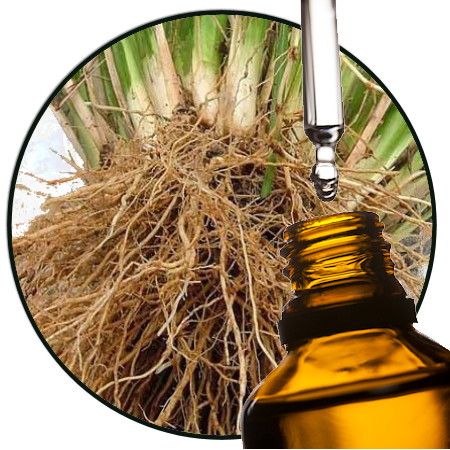
Extraction method: steam distillation of the older, dried roots
CAS: 8022-22-8
EINECS: 290-089-4
1st Class Quality Products
All fragrances are selected with care
Delivery from stock
We supply everything from our own stock, unless otherwise stated on the product itself.
Fragrance Profile of Blue Spikenard Essential Oil
- Character: Earthy, balsamic, woody, slightly animalic; similar to vetiver and patchouli but more mystical.
- Top notes: Spicy, slightly camphoraceous, with a hint of resin.
- Heart notes: Warm, woody, leathery; reminiscent of vetiver and patchouli but with more spiritual depth.
- Base notes: Balsamic, ambery, slightly animalic; remains present for a long time and anchors a composition.
- Color: Dark blue to brownish, depending on distillation and batch.
Use in perfumery
- Fixateur: Anchors floral and spicy accords; extends the life of lighter notes.
- Blends: Popular in meditative perfumes, incense-like compositions and niche fragrances.
- Combinations:
- With vetiver and patchouli for earthy depth.
- With myrrh, cistus or labdanum for mystical amber accords.
- With rose or ylang-ylang to create a floral accord.
- Is used to anchor floral and spicy accords.
- Fixation: Sesquiterpenes provide long persistence and anchor lighter notes.
- Dosage: Trace to about 0.5% in concentrate; higher doses can quickly become too heavy and medicinal.
Main components
The main constituents of blue spikenard essential oil are sesquiterpenes and their derivatives, including jatamansone (nardone), valeranone, nardol, and various other oxygenated sesquiterpenes:
- Sesquiterpenes (main mass):
- Jatamansone (nardone) – ketone, responsible for its earthy, balsamic depth.
- Valeranone – related to valerian, gives a spicy-earthy tone.
- Nardol – alcohol, contributes to the woody and balsamic nuance.
- Patchoulol-like sesquiterpenes – enhance its fixing, earthy properties.
- Other connections:
- Traces of valeric acids and related oxygenated molecules.
- Small amounts of monoterpenes (more present in green nardus, less in blue).
Blue Nardus Essential Oil
- Botanical source: Nardostachys jatamansi rhizomes/roots
- Aroma profile: Deep, earthy, resinous, musky, slightly sweet; often compared to Valerian but less pungent
- Color: Usually darker, sometimes bluish due to natural compounds
- Use: Traditional perfumery, meditation, spiritual anointing, grounding aromatherapy; valued for its depth and fixative properties
- Distillation: Steam distillation of older, dried rhizomes with more resinous contents and sometimes longer distillation.
- Therapeutic notes: Calming, sleep promoting, anti-spasmodic, used for stress, insomnia and skin care for mature skin.
Green Nardus Essential Oil
- Botanical source: Same plant(Nardostachys jatamansi), but different distillation fraction or chemotype
- Aroma profile: Sweeter, greener, lighter, less pungent than standard spikenard; more transparent and fresh
- Color: Light green shade
- Use: Preferred in perfumery when a fresher, less heavy note is desired; blends well with florals and green accords.
- Distillation: Steam distillation of the greener plant parts (root + leaf), shorter steam distillation, more volatile green molecules.
- Therapeutic notes: Similar calming and antioxidant properties, but more often chosen to balance fragrance.