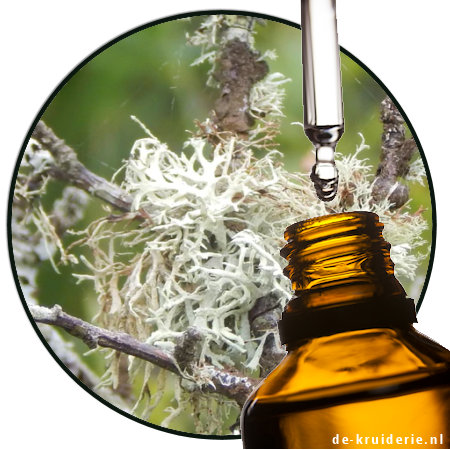
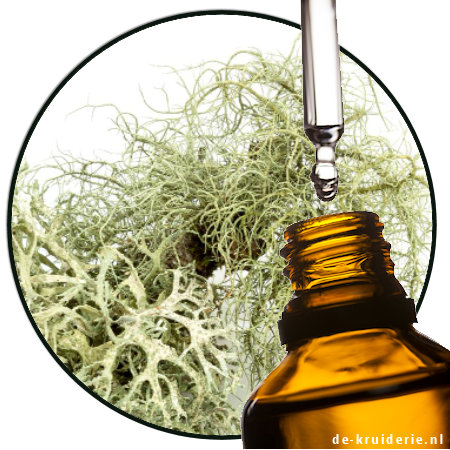
Oakmoss resinoid has a rich and complex scent profile. It is often described as earthy, woody and slightly sweet, with hints of a damp forest and a touch of leather. The aroma is deep and grounding, making it a popular choice in perfumery to add depth and complexity to fragrances.
Oakmoss resinoid is a prized ingredient in perfumery, known for its earthy, woody and mossy aroma.
Here’s how it’s commonly used:
- Base Note : Oakmoss resinoid is often used as a base note and provides depth and longevity to fragrances. The rich, earthy scent anchors lighter, more ethereal notes.
- Fixative : It acts as a fixative, stabilizing other fragrance components on the skin and extending their life.
- Chypre Fragrances : Oakmoss is a key element in the chypre fragrance family and is often combined with bergamot, patchouli, and floral notes such as jasmine or rose to create a sophisticated and timeless scent profile.
- Versatility in blending : It blends beautifully with woody, floral and even spicy notes, adding complexity and a natural, woodsy quality to perfumes.
- Modern Adaptations : Due to regulations, modern perfumers often use low-atranol oakmoss or synthetic alternatives to replicate the unique properties while meeting safety standards.
Due to IFRA (International Fragrance Association) restrictions on oakmoss, perfumers have explored several alternatives to replicate its earthy, mossy qualities while meeting safety standards.
Here are some common substitutes:
- Low-atranol oakmoss : A refined version of oakmoss with reduced allergenic substances, which complies with IFRA regulations.
- Tree Moss : Similar to oak moss, tree moss offers a similar earthy and woody aroma and is often used as a substitute. (in our range> peat moss )
- Synthetic Molecules : Aroma compounds such as Evernyl and Veramoss are synthetic recreations of the oakmoss scent profile, offering a safe and consistent alternative. (in our range> Evernyl> Veramoss )
- Patchouli : While not identical, patchouli can mimic some of the earthy and woody aspects of oakmoss and add depth to scents. (in our range> patchouli essential oil> patchouli natural reconstruction )
- Seaweed Extracts : Some perfumers use seaweed or algae extracts to create a mossy, marine base that evokes a similar mood to oakmoss. ( Seaweed Absolute in our range from March 15, 2025 )
These alternatives allow perfumers to preserve the character of chypre and fougère fragrances while meeting modern safety standards.