Lilac Extract
CAS: 68916-92-7
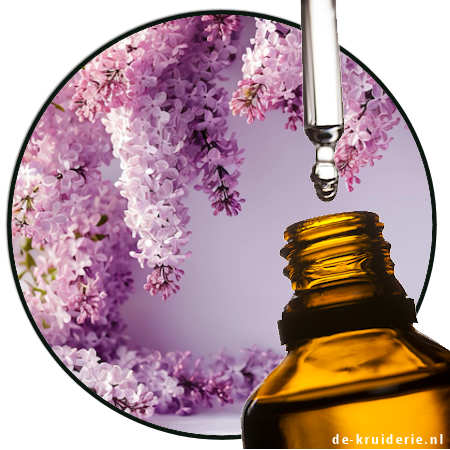
Botanical name: Syringa vulgaris
Extraction method: Select extraction followed by vacuum distillation (* see footnote)
Technically not an essential oil because it is not a distillate but a flower extract. Lilac extract is extracted from the flowers of the Syringa vulgaris plant.
It has a delicate,sweet, floral and slightly honeyed fragrance.
Lilac flowers contain very little aromatic oils; extraction is technically complex and yields low, which logically reflects in the price.
1st Class Quality Products
All fragrances are selected with care
Delivery from stock
We supply everything from our own stock, unless otherwise stated on the product itself.
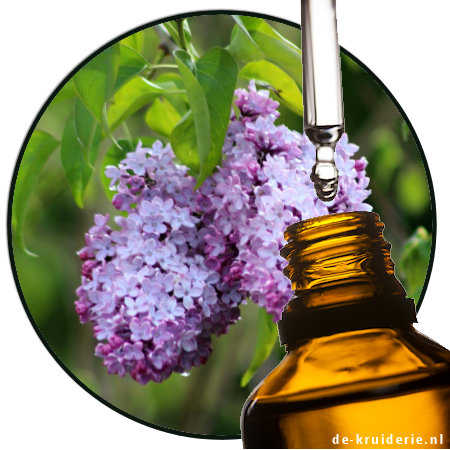
Some ways it can be applied:
- Top Notes : Lilac essential oil can be used as a top note to provide a fresh, floral burst when first applied.
- Heart Notes : Due to its delicate and nuanced aroma, it often serves as a heart note, adding depth and complexity to the middle phase of the fragrance.
- Blend : It blends well with other floral notes such as rose, jasmine and lavender, as well as with woody or green notes to create a balanced and harmonious scent.
- Signature Fragrances : Perfumers can use Lilac essential oil to create a signature scent that evokes a sense of spring and nostalgia.
Technical note:
Lilac is not a true essential oil because the flowers cannot be steam distilled.
This product is an organic extraction, similar to an absolute but thinly liquid and easy to handle.
Therefore, it stands for optimal findability in both Absolues & Extracts and Essential Oils.After organic extraction, vacuum distillation is used to purify the extract and make it thinly liquid for easier processing.
* Footnote:
Vacuum distillation is a purification step that takes place after the organic extraction of a floral material such as Lilac, Daffodil, Frangipani or Osmanthus.
After the fragrances are first extracted from the flowers with a mild solvent, the extract is gently heated under reduced pressure (vacuum).
Due to the lower pressure, unwanted components – such as solvent residues, waxy compounds or heavy byproducts – evaporate at a much lower temperature than normal.This prevents scent damage and provides a cleaner, more stable and often thin liquid end product.
So vacuum distillation does not change the way the fragrance is extracted, but refines the extract so that it is easier to incorporate into perfumes.