Nerol 90 (DRT) AC
From € 2,49 incl. btw

Nerolin Bromelia (AC)
From € 1,99 incl. btw
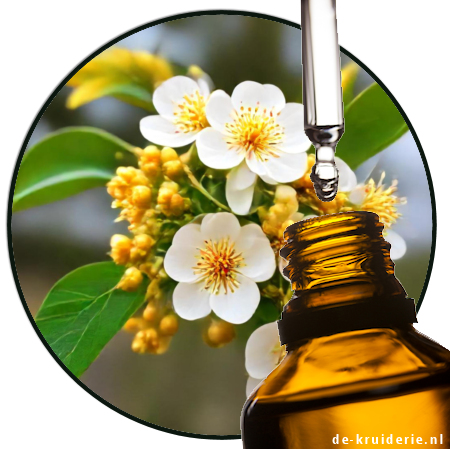
A versatile fragrance raw material with a soft, floral and slightly fruity signature.
The scent: floral, fresh, citrus, natural.
A mild, persistent and true floral scent,
both floral and fruity that can be used in almost all perfumes.
Nerolidol has both green and citrus notes.
CAS: 7212-44-4
EINECS: 230-597-5
Fragrance strength: medium


1st Class Quality Products
All fragrances are selected with care
Delivery from stock
We supply everything from our own stock, unless otherwise stated on the product itself.
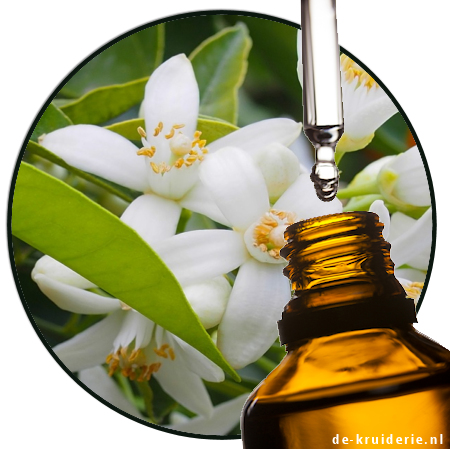
Nerolin Bromelia (AC)
From € 1,99 incl. btw
Select options
This product has multiple variants. The options may be chosen on the product page

Nerol 90 (DRT) AC
From € 2,49 incl. btw
Select options
This product has multiple variants. The options may be chosen on the product page

Nerolin Yara Yara (AC)
From € 2,59 incl. btw
Select options
This product has multiple variants. The options may be chosen on the product page

Neroli Extra (Base)
From € 1,98 incl. btw
Select options
This product has multiple variants. The options may be chosen on the product page